Titleist T100 3G and the Evolution of Blade Irons: What Serious Golfers Need to Know
If you have spent any time around serious golfers or inside a well-stocked pro shop, you already know that blade irons are having a moment. Not the kind of moment that fades after a season, but a real, sustained return to form. Players who grew up on cavity backs are picking up forged irons again, looking for that cleaner look and tighter turf interaction. And among the names that keep coming up in those conversations, Titleist stands out. Specifically, the Titleist T100 3G has been drawing attention from guys who usually do not switch clubs lightly.
I have been playing blades on and off for twenty years, and I have tested a lot of heads. The T100 3G is not just another iteration. It represents a shift in how Titleist thinks about swing weight and face geometry. Where older blade designs often punished slight mishits, the T100 3G tries to give you some margin without losing the feedback that blade players actually want. That is a hard line to walk, and I think they got closer than most.
The T100 Lineage and What 3G Brings
Titleist has been making blade irons for decades, and the Tour T100 irons have a strong following among better players. The T100 name itself carries weight. It came from a design philosophy that valued a compact iron head with a milled face for consistent contact. The 3G version builds on that foundation, but it adds some refinements that matter on the course.
One of the first things you notice about the Titleist T100 3G is the sole grind. Titleist has put real thought into the sole relief, which is the curvature on the bottom of the club that helps it glide through turf. Too flat and the head digs in. Too rounded and it skips. The T100 3G finds a middle ground. The heel relief and toe relief are balanced so that the club sits flat at address but rotates cleanly through impact. That matters when you are hitting a ball that is sitting down in a divot or on a tight lie.
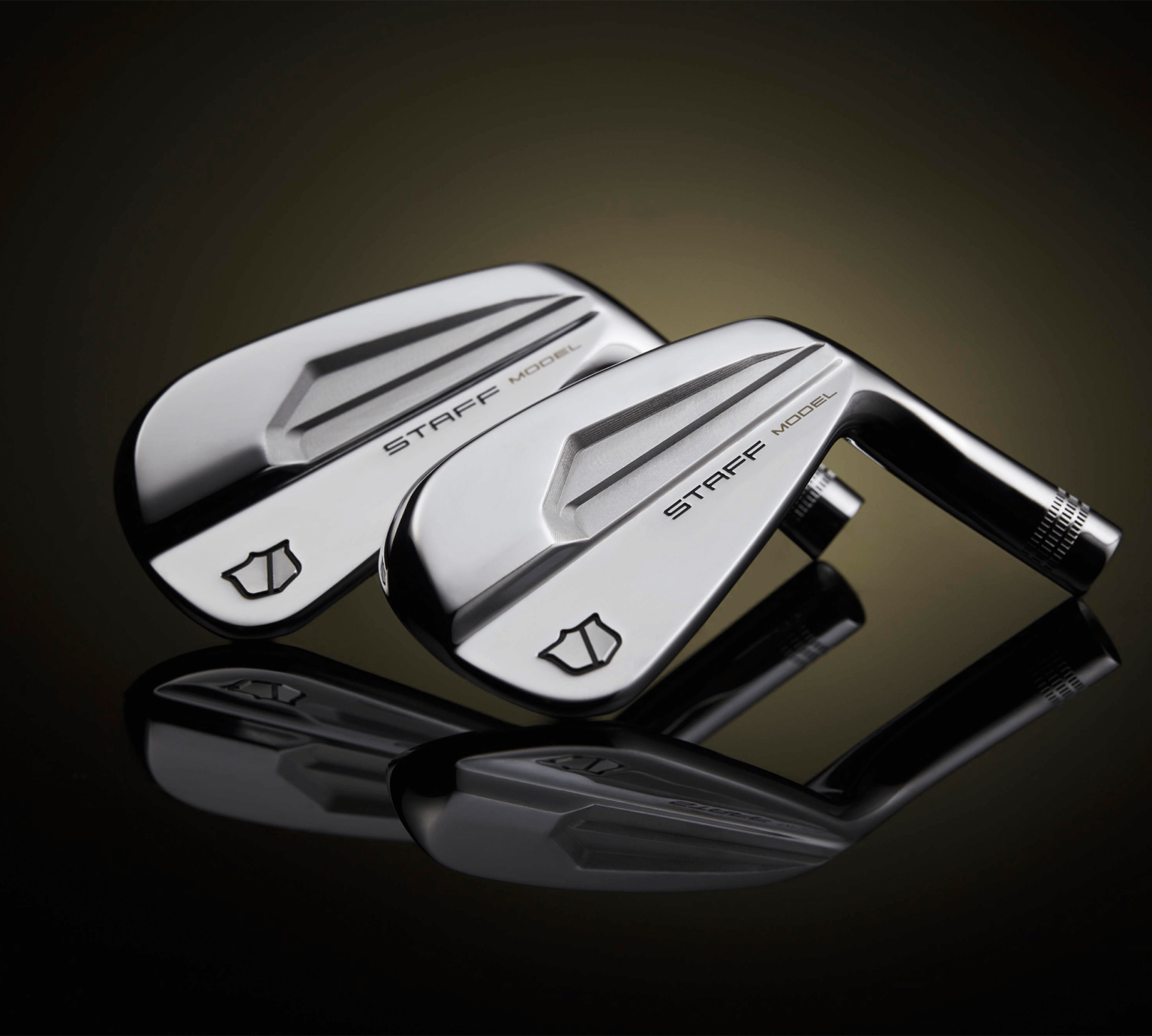
The trailing edge is another detail that separates this head from older blade designs. On a lot of forged irons, the trailing edge is sharp, which can grab the turf and twist the face. Titleist softened that edge on the T100 3G without making it look bulky. It is a small thing, but it shows up in how consistent the strike feels on less-than-perfect lies.
Swing Weight and Feel
Swing weight is one of those terms that gets thrown around a lot, but it really matters with blade irons. A head that feels too heavy on the end of the shaft can make you late through impact. One that feels too light can make you cast the club early. The T100 3G lands in a sweet spot. Titleist used a muscle back design on the T100 3G, which puts the mass more centrally behind the strike zone. That gives you a solid feel without making the head feel like a sledgehammer.
I have seen players who normally play cavity backs pick up the T100 3G and immediately comment on how stable it feels. That is partly the swing weight and partly the sole grind working together. The club sits square at setup, and it returns to square through impact if your swing path is decent. If you are off, you feel it, but not in a way that rattles you. It is informative feedback, not punishment.
Loft Angles and Trajectory Control
Loft angles on blade irons can vary a lot, and that changes how the ball launches. The T100 3G uses a loft that is slightly more upright than some of the older Tour T100 designs. That is a smart move for a few reasons. First, it helps the ball get up sooner on thin strikes, which is exactly where blade players tend to struggle. Second, it keeps the shot from getting too flat when you catch one high on the face.
I have hit these side by side with the previous generation, and the difference in launch angle is noticeable, especially on the longer irons. The 4-iron through 7-iron in the T100 3G set really shine. You can hit a 4-iron from 210 yards out and watch it land soft, even with a modern ball. That is not something I would have expected from a blade a few years ago.
Milled Face and Contact Consistency
Titleist uses a milled face on the T100 3G, and that is a detail that matters more than most players realize. A milled face gives you a consistent surface from one club to the next. There is no casting flash, no uneven spots that can change how the ball reacts on center strikes. For a player who is working on dialing in their swing, that consistency removes one variable. You know the face is true.
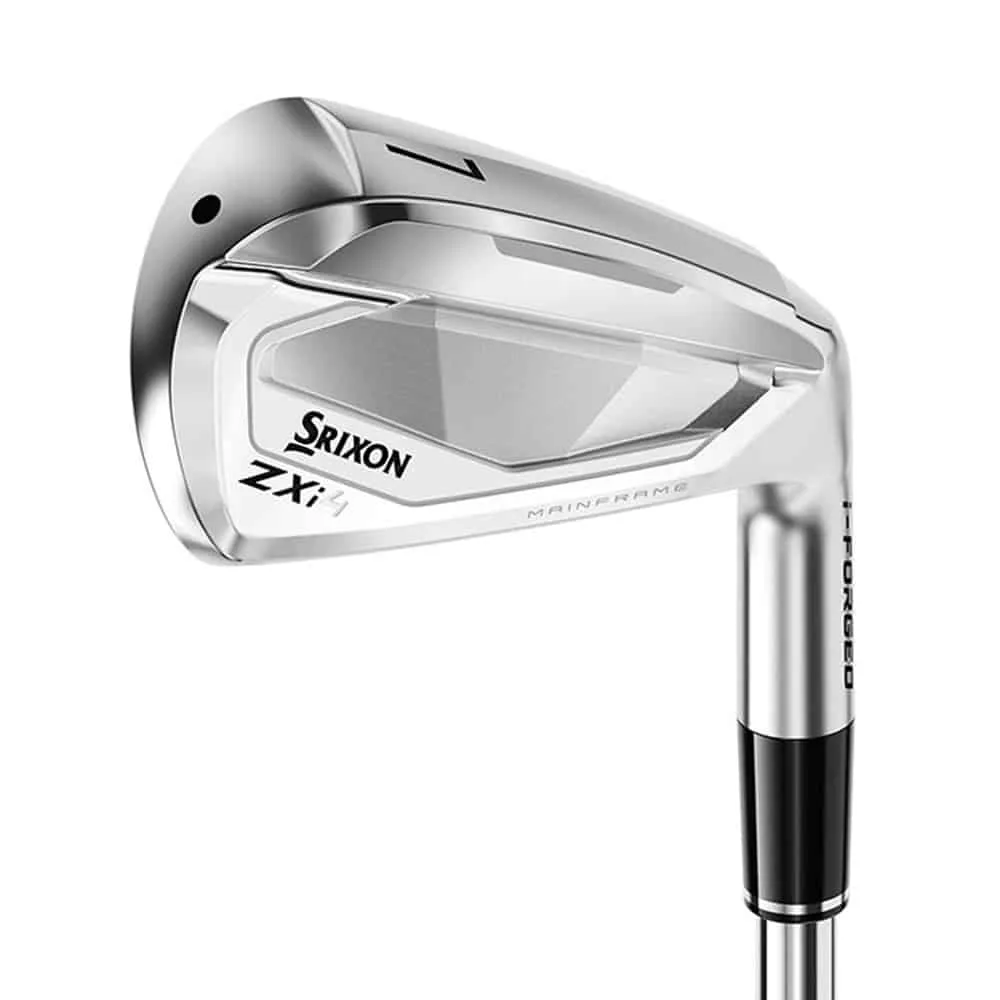
The milled face also helps with feel on off-center hits. When you catch a ball slightly toward the heel or toe, the feedback is clear without being harsh. You know where you missed, and you can adjust. That is the whole point of playing blades. If you just want forgiveness, there are cavity backs for that. But if you want to improve, you need that information. The T100 3G gives it to you.
Benefit Shafts and Custom Fit
One of the underrated aspects of the T100 3G is how well it works with benefit shafts. Benefit shafts are aftermarket or custom shafts that adjust the flex profile to match your swing and the head weight. Because the T100 3G has a balanced swing weight, it pairs well with a range of shafts. I have seen guys put stepless steel shafts in these heads and get a smooth, progressive feel. I have also seen graphite shafts work nicely, especially in the longer irons where you want a little extra whip without losing control.
If you are ordering a set, it is worth asking about the swing weight and how it interacts with your preferred shaft. The T100 3G is forgiving enough in that regard that you do not need a custom build, but it rewards one. I have a set with moderate-flex shafts, and the consistency from the 3-iron through the PW is excellent.
Who Should Play the T100 3G
This is not a head for everyone, and Titleist does not pretend it is. The T100 3G is aimed at the player who is comfortable with blades and wants a modern take on that classic feel. If you are a mid-handicap player who sometimes struggles with thin strikes, the T100 3G might be a good step into blades. It is more forgiving than a pure muscle back from ten years ago, but it still demands a decent swing.
For better players, this is a head that can go straight into the bag alongside your best driving iron. I know several guys who play the T100 3G in their 4-iron through 9-iron and use a different head for the short irons. That mix works because the T100 3G is consistent enough to blend well. The sole relief and trailing edge design help it sit well in a mixed set.
If you are coming from cavity backs and want to try blades, the T100 3G is a solid entry point. It will not hide your mistakes, but it will not humiliate you either. Spend a few rounds with it, and you will start to feel the difference in turf interaction and strike feedback. That is the real benefit of a well-designed blade.
Final Thoughts on the T100 3G
Titleist has been making irons for a long time, and the T100 3G shows that they are still paying attention to the small details that matter to good players. The sole grind, the milled face, the balanced swing weight, the refined loft angles - all of it adds up to a head that performs at a high level without needing a tour-caliber swing to use it. I have played a lot of blades over the years, and the T100 3G is one of the few that I would recommend to a friend without hesitation.
If you are in the market for forged irons that give you feedback, consistency, and a clean look, put the Titleist T100 3G on your short list. It is a worthy evolution of the T100 line and a reminder that blades are not just for the old guard. They are for anyone who wants to hit the ball better.